
Tell us about the job
Takes about a minute. No obligation.
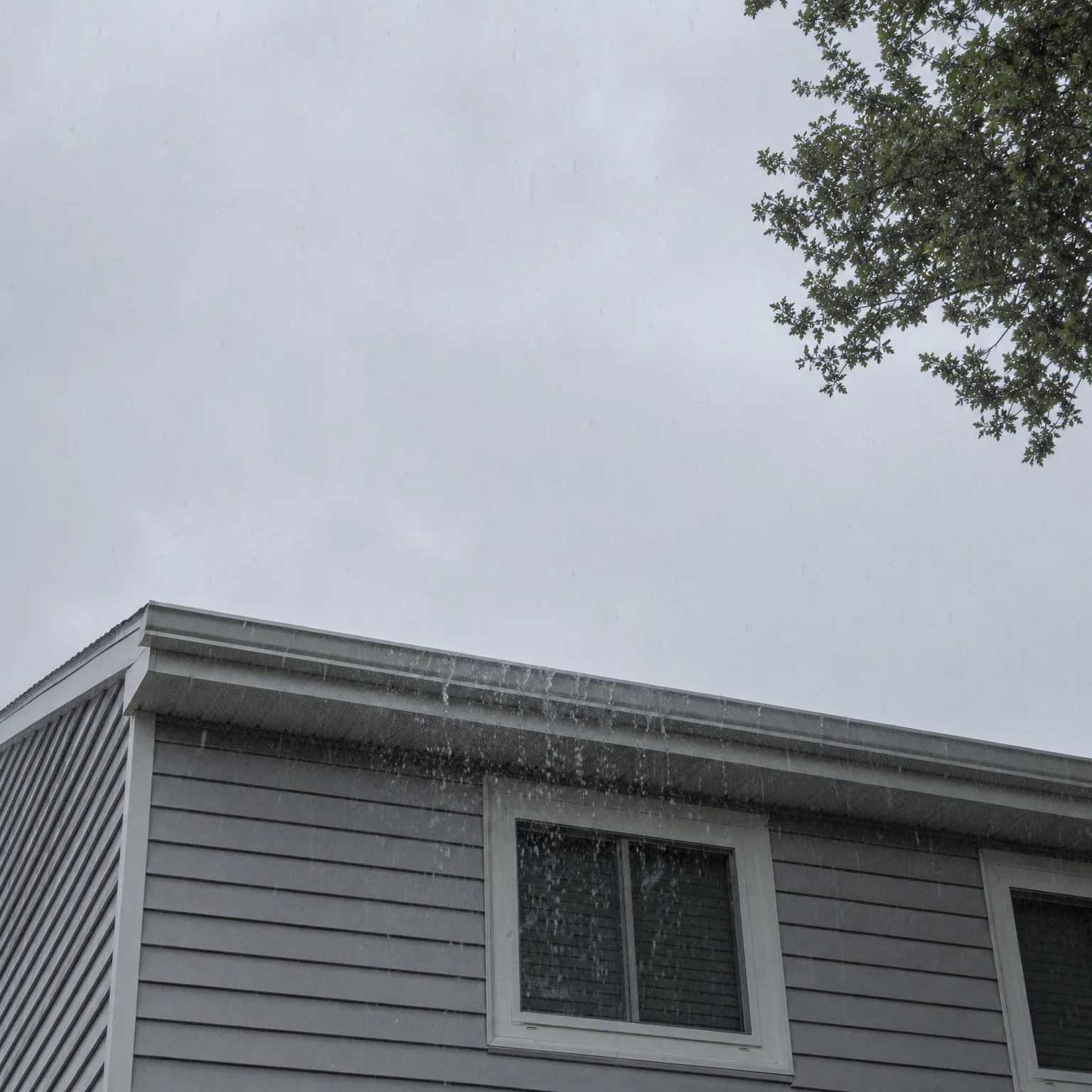
Sizing a mini-split for a home here starts with the install itself: how the lines are run, how the unit is mounted, and whether the refrigerant charge is set correctly for this climate. 56 severe weather events were recorded in Starke County, Indiana between 2015 and 2024. At that rate, severe weather is something a system encounters now and then, not a grinding seasonal load. A contractor quoting a replacement or a new install in Starke County focuses on the structure of the house and the quality of what went in before, because that is what determines whether the new system performs. Weather here does not change that calculation much.
Electrical service in houses of this vintage was designed around loads that look nothing like what a mini-split draws. Half the homes in Starke County, Indiana were built in 1974 or earlier (2020-2024 ACS 5-year). A contractor quoting an install here checks the panel early, because what was adequate for the original equipment often falls short for a modern system. That assessment shapes the job before any equipment is ordered.
The Parts of a Mini-split System and What HVAC Installation Involves
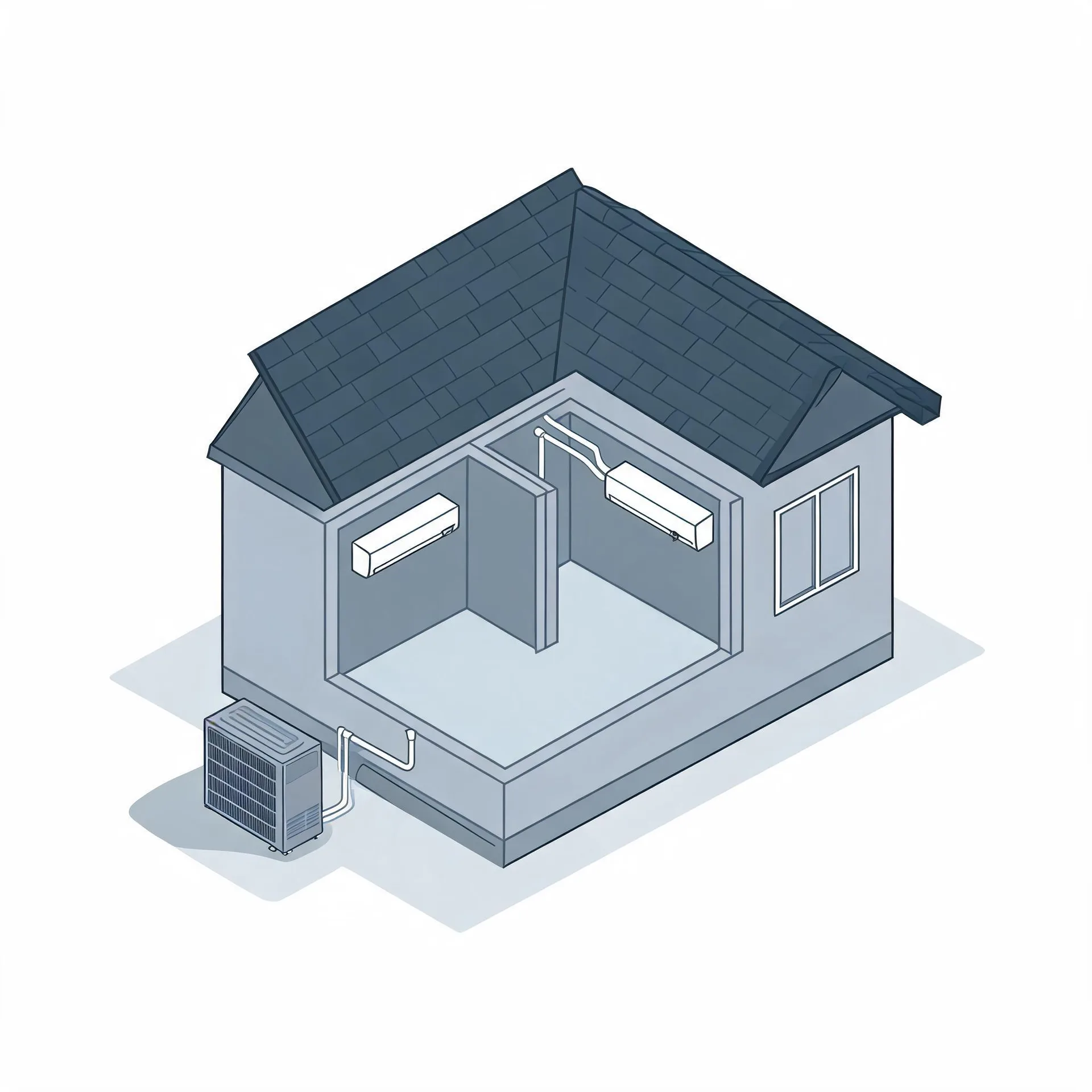
The indoor air handler mounts high on an interior wall inside the room being conditioned. It pulls room air across its coil and moves treated air back into the space. The outdoor condenser unit sits on a pad or bracket outside the house and holds the compressor and the components that shed heat to the outside air.
A refrigerant line set runs through a small penetration in the wall and connects the indoor and outdoor units, carrying refrigerant between them. A condensate drain line runs from the indoor handler to an appropriate discharge point, and a dedicated electrical circuit feeds the outdoor unit.
The drawing shows a typical layout, and a licensed contractor determines exactly how each piece fits the specific conditions of your house.
Find a contractor in Starke CountyStarke County, by the numbers
56 severe weather events were recorded in Starke County, Indiana between 2015 and 2024.
NOAA National Centers for Environmental Information, Storm Events Database, bulk CSV export, events 2015-01-01 through 2024-12-31.Half the homes in Starke County, Indiana were built in 1974 or earlier (2020-2024 ACS 5-year).
U.S. Census Bureau, 2020-2024 American Community Survey 5-Year EstimatesStarke County, Indiana holds 11,273 housing units (2020-2024 ACS 5-year).
U.S. Census Bureau, 2020-2024 American Community Survey 5-Year EstimatesOwners occupy 83.0% of the occupied homes in Starke County, Indiana (2020-2024 ACS 5-year).
U.S. Census Bureau, 2020-2024 American Community Survey 5-Year EstimatesSevere Weather Events in Starke County
Starke County's climate puts real demands on heating and cooling equipment year after year. How hard a system has to work, and how long it lasts, is shaped by what the weather here actually does.
56 severe weather events, 2015–2023. Source: NOAA National Centers for Environmental Information, Storm Events Database.